

What is Osteopathy?
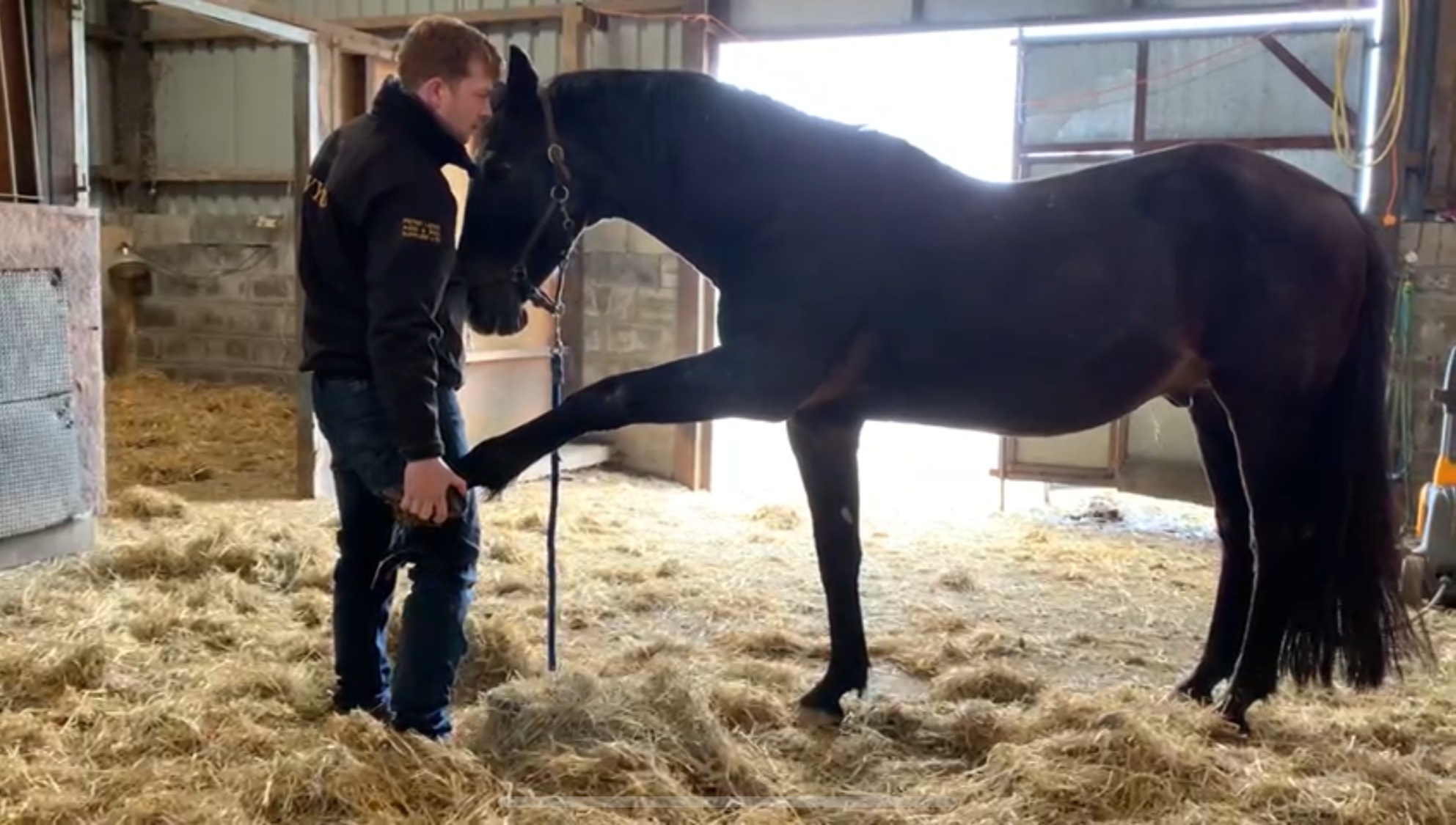
Osteopathic treatment is carefully tailored to each individual and their needs, with techniques including:
Soft-tissue & Neuromuscular Techniques
Joint Mobilisations & Manipulations
Muscle stretches and Exercises
Myofascial Techniques
Cranial Techniques
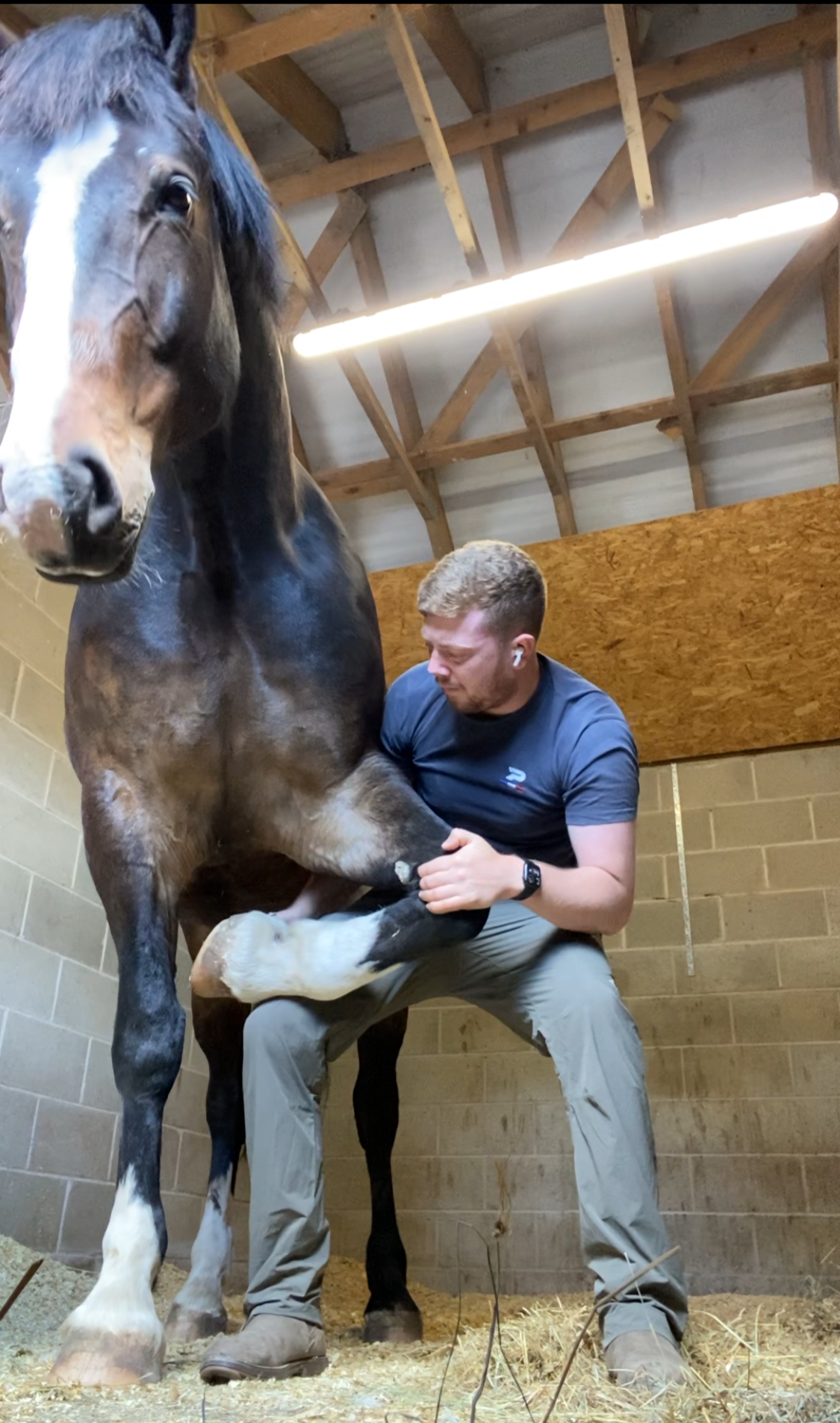
Signs of Discomfort in your Horse or Dog
Being unable to tell us when they are stiff, aching and in pain, issues often go un-checked until they have developed into more serious issues. These can result in lameness, harmful compensatory mechanisms, and behavioral changes such as kicking and biting.
Because of this we must be extra attentive to the signs they give us
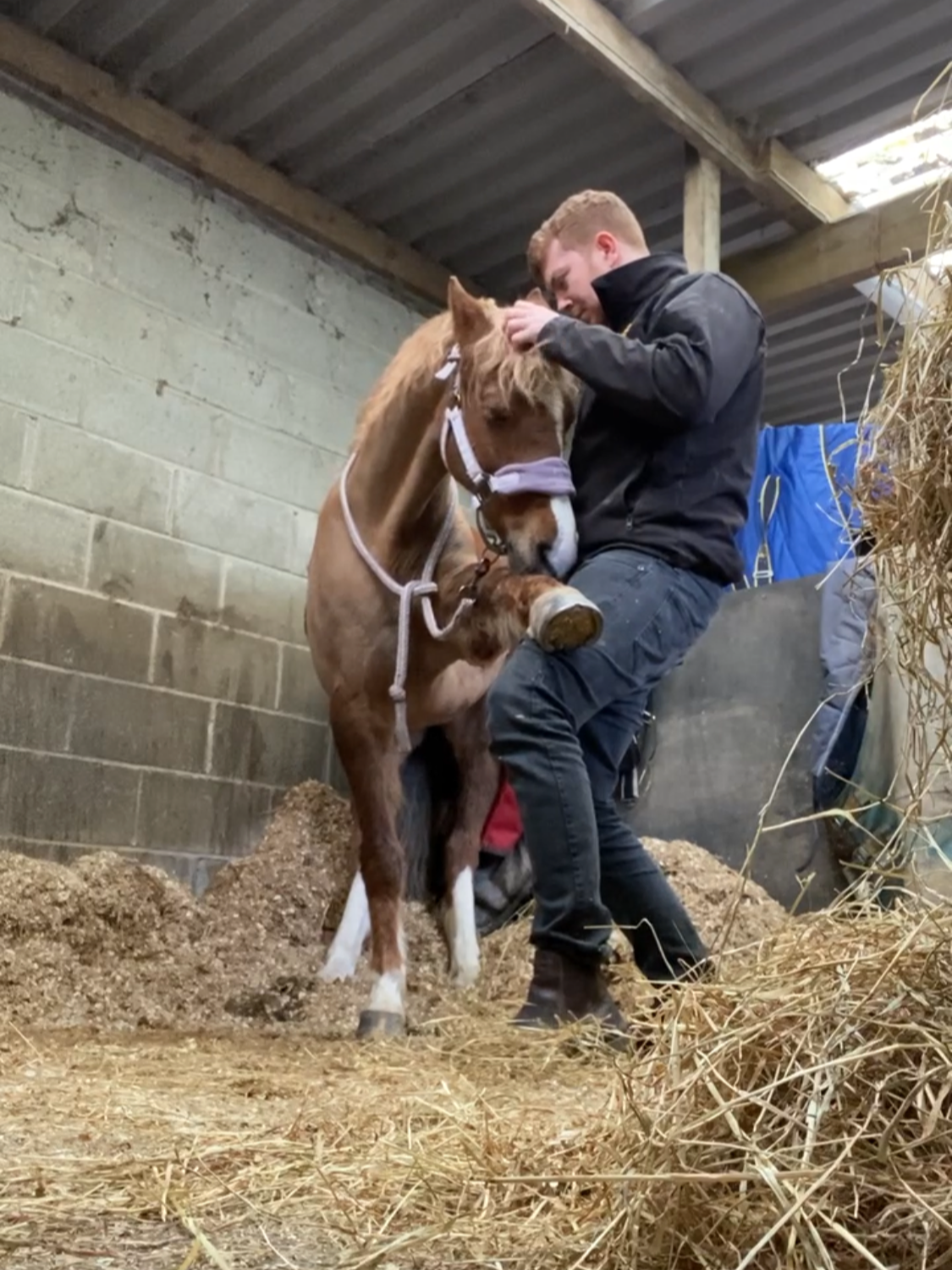
What to look for
Canine
Yelping
Reluctance to go for a walk or jump up/down from car/sofa/stairs
Change in behavior
Holding tail to one side
Change in gait or limping
Reluctance to being groomed
Equine
Behavioral changes - pulling faces, biting, kicking, being “girthy”
Bucking or Rearing
Refusing at fences, or knocking poles
Head-shyness, head-shaking
Reduced Performance
Hollow movements or Stiffness to bend
Difficulty with Transitions
Osteopathy is a holistic & hands-on approach, treating a wide range of issues with the goal of restoring function, performance and well-being to the individual. By treating the whole body and not just the site of impaired function or injury, it enables us to achieve fast, positive changes that are long-lasting
FAQs
-
Initial appointments for people are up to an hour, with follow-ups around 45mins.
Animal treatments vary considerably depending on the individual and their presentation. We will treat for as long as is required for each animal. Typically horses are around 45 mins and Dogs around 30 mins.
(whether we are with your horse for 30 mins or an hour and 30 mins, cost remains the same, we promise quality care irrespective of time)
-
Arthritic Pain
Circulatory issues
Cramp
Fibromyalgia
Frozen shoulder
Headaches arising from the neck
Joint pains
General, acute and chronic back pain
Migraine prevention
Sports injuries
Neuralgia
Sciatica
Neck pain
-
Osteopathy is a holistic, whole body treatment approach, we don’t just treat the symptoms, we look at the causes to get to the root of the problem.
We are well trained, and continue training throughout our career. It is a regulated profession, we are highly insured and we will work with doctors, vets, dentists, farriers and physios to get you the best results we can
-
During your initial consultation, we will discuss your treatment plan and how many sessions you may need. Each presentation varies significantly, but most patients see a significant improvement in 1-2 sessions and require no more than 4-6 treatments initially. Following which many patients choose to undergo maintenance treatments to prevent future issues or to manage chronic conditions
-
Yes! As an Osteopath we have a 4 years Masters qualification at University and undergo ongoing CPD throughout the rest of our practice. Unlike many other practitioners we are a regulated profession with a protected title, strict rules on insurance and ongoing training, to ensure you receive quality care.
You do not need to be referred by your Doctor, we are primary healthcare practitioners and so are trained to identify conditions that are out of our scope of practice and will refer you when needed.
-
Our goal is to alleviate your pain as quickly as possible. Most techniques are not painful and can be accompanied with instant relief, some, however, may be uncomfortable depending on your presentation. The level of this discomfort is up to you, we will continuously check in, and if at any point your are uncomfortable and unhappy we will stop and find a new way around it.
We don’t mind a puzzle so please speak up, and we have many tools in our toolbox, so there are many ways around a problem